Top 20 Advertisement Ideas: Creative Strategies to Make A Brand Stand Out
Advertising today is no longer limited to billboards or television commercials. Brands operate in a multi-channel environment where customers scroll, swipe, stream, search, and shop simultaneously. In such a crowded ecosystem, ordinary promotions get ignored. What works instead are well-thought-out advertisement ideas that create attention, spark engagement, and influence buying decisions. Strong advertising is not about shouting louder than competitors. It is about understanding audience psychology, using the right platform, and delivering a message that feels relevant. Whether you are a startup, MSME, D2C brand, or enterprise business, creative advertisement ideas help build awareness, drive conversions, and establish long-term brand recall. Below are 20 detailed and practical advertisement ideas inspired by modern marketing trends, real campaigns, and tested strategies.
Top 20 Advertisement Ideas
Creative advertising works when it combines emotion, relevance, and clarity. Each idea below is explained with its purpose, application, and impact.
1. Sponsored Quizzes
Sponsored quizzes turn passive audiences into active participants. Instead of showing a traditional ad, brands invite users to answer fun or personality-based questions. This increases time spent with the brand and improves engagement metrics. For example, a beverage company launching new flavours can create a quiz titled “Which Flavour Matches Your Personality?” The results can recommend specific products. When users share their results online, the campaign gains organic reach. Quizzes work especially well for lifestyle, fashion, beauty, and food brands.
2. Coupon-Based Advertising
Coupons remain one of the most conversion-focused advertisement ideas. Discounts create urgency and encourage immediate action. Digital coupons allow tracking of redemption rates, making performance measurable. Retail stores, salons, and eCommerce platforms can use time-bound offers such as “20% Off This Weekend Only.” This not only boosts sales but also increases repeat visits when customers associate your brand with value.
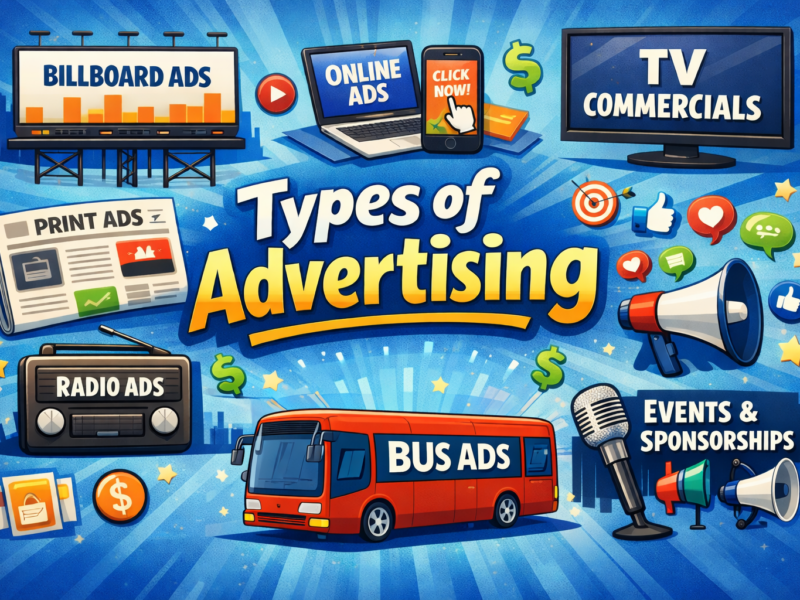
Also Read: Types of Advertising
3. Environmental Advertising
Environmental ads integrate marketing into real-world surroundings. Instead of traditional placements, brands creatively use walls, stairs, parks, or public installations to tell a story. This approach captures attention because it feels unexpected. It often encourages social sharing, which multiplies visibility. Eco-friendly brands, fitness companies, and entertainment brands frequently use this method to generate buzz in urban spaces
4. Pop Culture Advertising
Leveraging current movies, web series, memes, or trending topics can make your advertisement feel timely and relatable. When audiences recognize a cultural reference, they connect faster. However, relevance is critical. The reference must align with your product. A food delivery app referencing a popular streaming series premiere can create instant engagement if executed cleverly.
5. Humour-Driven Campaigns
Humour reduces resistance to advertising. When audiences laugh, they associate positive emotions with the brand. Funny advertisements are more likely to be shared, increasing organic reach. Brands targeting younger demographics or consumer goods often benefit from this strategy. The key is to ensure the humour supports the product message rather than distracting from it.
6. Animal Mascots
Using animals or mascots builds emotional attachment. A strong mascot becomes a recognizable brand symbol that can appear across ads, packaging, and merchandise. This approach is particularly effective for family-oriented brands, FMCG products, and educational services. Over time, mascots become assets that strengthen recall and loyalty.
7. Creative Business Cards
Offline advertising remains powerful in networking-driven industries. Unique business cards can create a memorable first impression. Using unconventional shapes, textures, or interactive elements like QR codes can differentiate your brand. Creative professionals, agencies, and consultants often use this tactic to reflect innovation and originality.
8. Catchy Jingles
Music enhances memory retention. A short, repetitive jingle can embed your brand name into consumers’ minds. Radio and television advertising benefit greatly from this strategy. A strong jingle creates emotional resonance and builds long-term recognition. Even in digital platforms, audio branding strengthens consistency.
9. Image Play and Visual Illusions
Using optical illusions, exaggeration, or unexpected imagery grabs immediate attention. Visual creativity forces viewers to pause and decode the message. Fashion brands, automotive companies, and creative industries use this strategy to build premium positioning. The goal is to create visual intrigue without confusing the core message.
10. Retro-Inspired Campaigns
Nostalgia marketing taps into emotional memory. Retro-inspired colours, typography, and storytelling create warmth and familiarity. Brands targeting millennials or older audiences often use this approach effectively. Nostalgia builds trust because it connects with positive past experiences.
11. Interactive Billboards
Technology-enabled billboards increase engagement by encouraging participation. QR codes, augmented reality elements, or motion-sensitive displays create memorable brand experiences. This strategy works particularly well for tech brands, event promotions, and product launches in high-traffic areas.
Also Read: Benefits of Advertising
12. Live Broadcast Advertising
Live streaming on platforms like Instagram, YouTube, or LinkedIn allows real-time interaction. Product launches, tutorials, and Q&A sessions humanize brands. Live content builds transparency and trust. It also increases engagement because viewers can ask questions and receive immediate responses.
13. Transparent or Cut-Out Billboards
These billboards creatively use natural surroundings as part of the advertisement. The environment completes the visual message, making the ad dynamic and engaging. Luxury brands and automotive companies often use this style to create premium visual storytelling.
14. Transit Advertising (Buses & Public Transport)
Advertising on buses, metros, or shelters provides mass visibility. Since these vehicles move across city routes, the exposure multiplies. This is highly effective for local businesses, political campaigns, educational institutions, and entertainment events targeting urban audiences.
15. Creative Packaging
Packaging is more than protection; it is marketing. Unique unboxing experiences encourage customers to share photos and videos online. Subscription services, gourmet brands, and lifestyle products benefit greatly from visually appealing packaging that enhances brand perception.
16. Social Media Challenges
Challenges create community participation. Encouraging customers to perform a task using your product increases engagement and generates user-generated content. Fitness brands, fashion companies, and food brands frequently use hashtag-based challenges to increase visibility.
17. Influencer Collaborations
Partnering with influencers builds credibility. Micro-influencers often provide better engagement rates compared to celebrities because their audience trusts them more. This approach works well for beauty, tech, fashion, and D2C brands seeking niche targeting.
18. Referral Programs
Word-of-mouth remains powerful. Offering incentives for referrals motivates existing customers to promote your brand. This method reduces acquisition cost and increases trust because recommendations come from known sources.
19. Guerrilla Marketing
Guerrilla marketing uses surprise and creativity rather than high budgets. Street performances, chalk art, or flash mobs attract attention and create buzz. This approach is particularly suitable for startups looking to make a strong impact with limited resources.
20. Educational Content Advertising
Content marketing positions your brand as an authority. Blogs, tutorials, and webinars educate customers before selling to them. This builds trust, increases website traffic, and supports long-term brand credibility.
How to Advertise Your Business Successfully?
Below is a structured framework inspired by practical business strategies.
| Steps | What to Do | Why It Matters |
| Set Clear Goals | Decide if your objective is awareness, leads, or sales. Use measurable targets. | Clear goals improve campaign direction. |
| Understand Your Audience | Study demographics, behaviour, and buying patterns. | Better targeting improves ROI. |
| Allocate Budget Smartly | Decide how much to spend per platform. | Prevents unnecessary losses. |
| Choose Suitable Channels | Select platforms where your audience is active. | Increases visibility and relevance. |
| Craft Strong Messaging | Highlight your unique value proposition with a clear CTA. | Drives conversions. |
| Develop Engaging Creatives | Use visuals, storytelling, and testing variations. | Improves engagement. |
| Monitor Performance | Track impressions, clicks, and conversions. | Enables optimization. |
| Analyse & Improve | Review outcomes and refine strategy. | Ensures long-term growth. |
Tips to Create the Best Creative Ads
Focus on one core message at a time. Avoid overloading information. Ensure your visuals and copy align. Keep language simple but impactful. Use emotion strategically. Test variations before scaling campaigns.
Consistency across channels strengthens brand recognition. Data should guide decisions, but creativity should lead execution.
To summarise, the most effective advertisement ideas are those that align creativity with strategy. Businesses that experiment thoughtfully and measure consistently achieve sustainable results.
In 2026 and beyond, successful advertising will rely on personalization, short-form video, interactive experiences, and data-driven optimization. However, the core principle remains the same: connect with people in a meaningful way.
Advertising is not about interruption. It is about influence and value creation.